AfriThrive’s Food is Medicine Webinar Series explores how culturally familiar meals can support diabetes prevention. Learn how food rooted in heritage can be a powerful tool for health equity.
When conversations about diabetes prevention happen in clinics and community health settings, they often look the same: a generic meal plan printed on a sheet of paper, a list of foods to avoid, and advice that assumes everyone eats the same way. For many immigrant and underserved communities, that advice does not just feel unhelpful. It feels like it was never meant for them.
AfriThrive believes health equity starts with cultural respect. That belief is the foundation of our Food is Medicine Webinar Series, and it is why our next session, Preventing Diabetes With Culturally Familiar Meals, matters.
What Is the Food Is Medicine Approach?
Food is Medicine is more than a phrase. It is a public health framework that recognizes the direct relationship between what we eat and how our bodies function. Research increasingly supports the idea that access to nutritious food, particularly food that aligns with a community’s dietary traditions, can reduce the risk of chronic diseases including Type 2 diabetes.
For communities whose food traditions are rooted in whole grains, legumes, vegetables, and lean proteins, the building blocks of a diabetes-preventive diet are already present. The challenge is not the cuisine. It is access, affordability, and guidance that meets families where they are.
AfriThrive’s Food is Medicine program addresses all three.
Why Cultural Familiarity Matters in Diabetes Prevention
Studies have consistently shown that dietary interventions are most effective when they are culturally tailored. When people are asked to abandon familiar foods entirely, adherence drops. When they are shown how to adapt the meals they already know and love, outcomes improve.
This is not just good nutrition science. It is dignity-centered care.
For families from East African, West African, Asian, and Caribbean communities, the meals that hold cultural meaning are often the same meals that support healthy blood sugar levels. Injera with lentils. Jollof rice with vegetables. Ugali with sukuma wiki. These are not meals to be replaced. They are meals to be understood, celebrated, and in some cases, thoughtfully adjusted.
What to Expect From the Webinar
AfriThrive’s Preventing Diabetes With Culturally Familiar Meals webinar is a free, one-hour virtual session designed to give participants practical, actionable guidance without requiring them to leave their culinary heritage at the door.
Presented in partnership with the Asian American Health Initiative and American Diversity Group, and funded through the Montgomery County Department of Health and Human Services, the webinar will cover:
– How specific cultural foods support blood sugar regulation
– Practical approaches to portioning and meal planning using familiar ingredients
– How to read nutrition information in the context of traditional diets
– Community resources available through AfriThrive’s food access programs
Who Should Attend
This webinar is designed for community members, caregivers, health navigators, and anyone who wants to understand how to eat well without abandoning the foods that connect them to home. It is also valuable for healthcare providers, social workers, and community health workers who serve immigrant and culturally diverse populations.
No medical background is required. No prior webinar attendance is required. Just bring your questions and an openness to thinking about food differently.
AfriThrive’s Broader Commitment to Health Equity
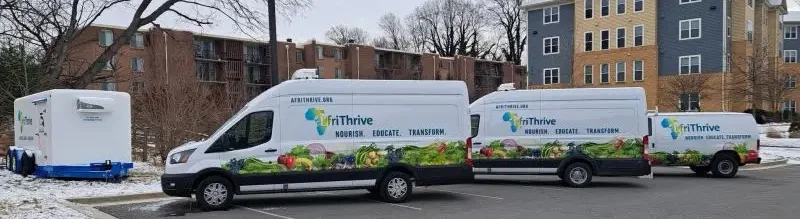
This webinar is one part of a larger mission. Since 2019, AfriThrive has distributed more than 2.5 million pounds of food, reached 49,500+ individuals, and served more than 13,000 families across Montgomery, Prince George’s, and Baltimore Counties. Every pound of food distributed, every farm program offered, and every educational session hosted reflects the same belief: that communities deserve systems that sustain them year after year, not temporary fixes.
Our Food is Medicine series is part of that infrastructure. It is how we close the gap between food access and food knowledge, between receiving nutrition and understanding it.
Register Today
Preventing Diabetes With Culturally Familiar Meals takes place Tuesday, April 28, from 12:00 PM to 1:00 PM EST. The event is free and virtual.
Questions? Contact us at [email protected] or call 240-706-1517.
AfriThrive Inc. is a registered 501(c)(3) nonprofit organization serving communities across Maryland. www.afrithrive.org
FAQ
Q: Can traditional African foods help prevent diabetes? A: Yes. Many traditional African foods, including legumes, leafy greens, whole grains, and lean proteins, support healthy blood sugar levels. AfriThrive’s Food is Medicine program helps community members understand how to use familiar foods as part of a diabetes-preventive diet.
Q: What is the Food Is Medicine approach? A: Food is Medicine is a public health framework that connects nutrition directly to disease prevention and chronic condition management. AfriThrive applies this approach through community education, culturally appropriate food access, and webinars designed for immigrant and underserved communities in Maryland.
Q: Where can I find culturally appropriate nutrition guidance in Montgomery County? A: AfriThrive offers free educational programs and food access services across Montgomery, Prince George’s, and Baltimore Counties. Visit www.afrithrive.org or call 240-706-1517 to learn more.
Q: Is the AfriThrive Food Is Medicine webinar free? A: Yes. AfriThrive’s Food is Medicine webinars are free and open to all community members. The series is funded in part through the Asian American Health Initiative, a program of the Montgomery County Department of Health and Human Services.